Containment-first work practices
We treat mold like a contamination problem, not a cosmetic one, and plan the job around keeping the rest of the building clean.
Serving Denver, Colorado & surrounding areas
Containment-first cleanup for homes and businesses, with clear next steps to protect indoor air and reduce the chance of mold coming back after a leak or flood.
Denver mold removal is more than wiping a stain or spraying a deodorizer. Mold growth usually means moisture is still present somewhere, or it was present long enough for spores to colonize porous materials.
A proper remediation plan has three priorities: (1) stop the moisture source, (2) keep contamination from spreading through the building, and (3) remove affected materials and residue so indoor air can recover. If any step is skipped, you can end up with recurring odor, ongoing irritation, or growth returning behind walls.
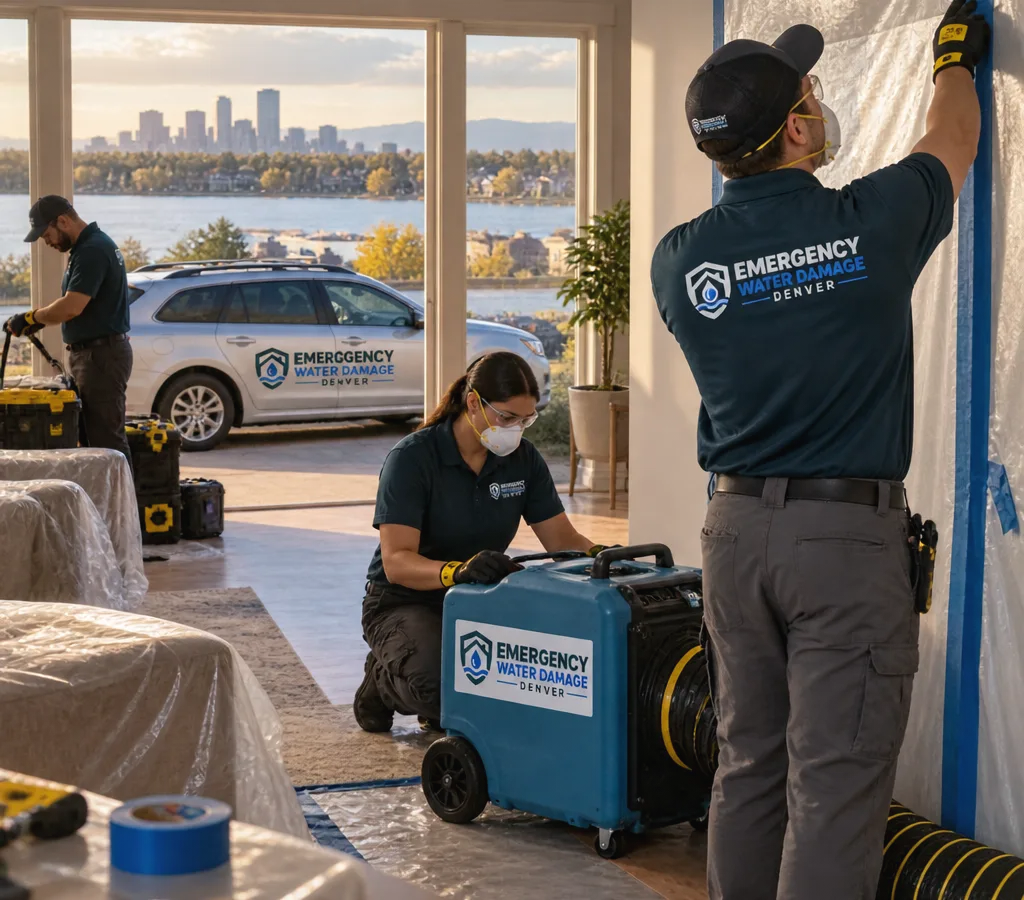
Our team at Emergency Water Damage Denver handles mold remediation for residential and commercial properties across the Denver area, and we approach every job with containment and indoor air protection as the starting point. In the same visit, we can also map out what moisture control needs to happen next, because mold does not resolve permanently until the wet conditions are addressed.
Most mold projects start with a wet building material and a hidden pocket of humidity. We regularly see:
Neighborhood housing patterns can change how we investigate. In Capitol Hill and Baker, older buildings may have layered renovations that hide older water paths. In Park Hill and Washington Park, we often trace problems to slow plumbing leaks that soak a wall cavity before anyone sees a stain. In Highland, finished basements and tight layouts can limit access, so planning openings and containment matters.
If you are still dealing with wet materials or high humidity after a leak, our water damage restoration work often runs in parallel with remediation planning so drying and cleanup stay coordinated.
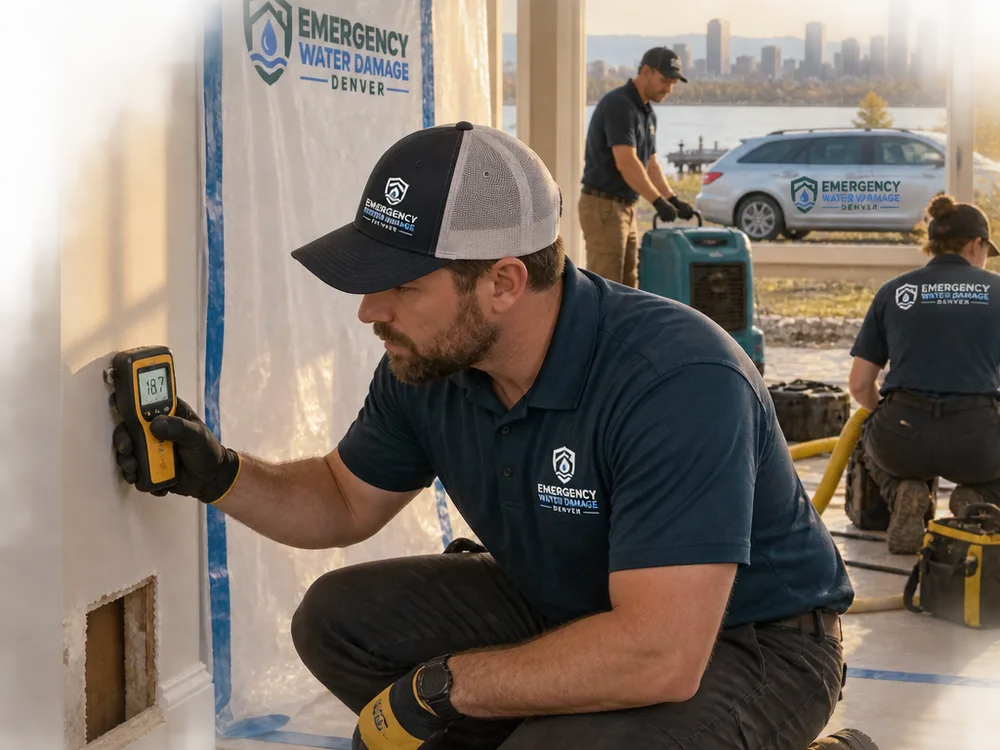
We look for active moisture first (leaks, condensation points, trapped wet insulation) and identify likely spread paths such as return air intakes, wall cavities, and shared chases. You get a written scope that matches the areas we can verify, plus recommended openings if access is limited.
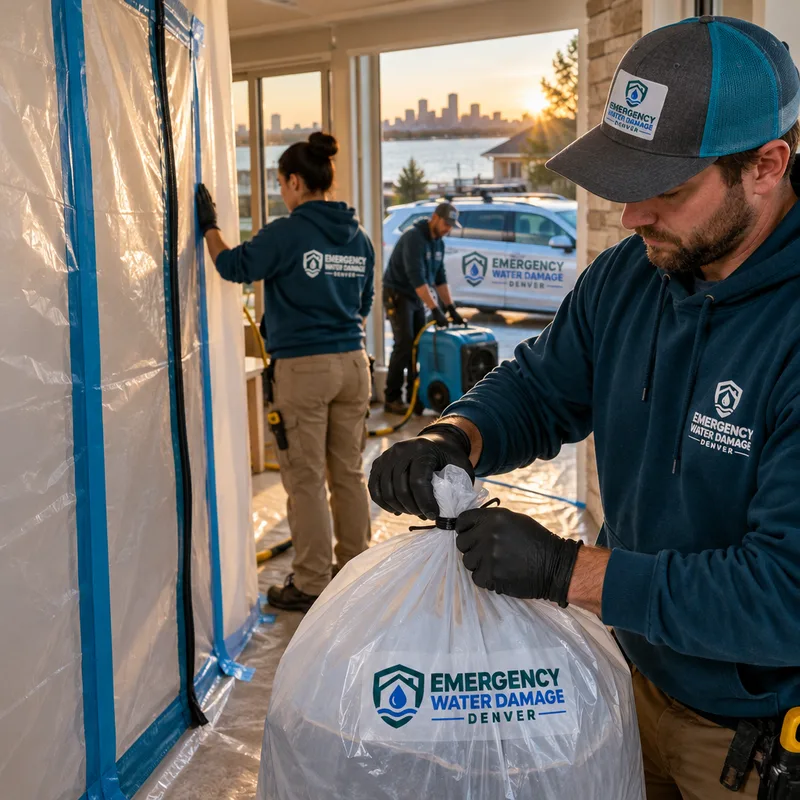
We isolate the work area with poly sheeting and create negative pressure when needed, using HEPA-filtered air scrubbers. The goal is to keep disturbed spores and dust from moving to clean rooms, hallways, or adjacent tenant spaces.
Porous materials that cannot be reliably cleaned—often drywall, insulation, carpet pad, and some ceiling tiles—are removed and bagged for disposal. Semi-porous and non-porous surfaces are HEPA-vacuumed and cleaned with appropriate antimicrobial products based on the material and condition.
After gross removal, we perform detailed HEPA vacuuming and wiping in the containment zone, including ledges, framing, and other dust-collecting surfaces. Air filtration runs during and after work to help capture airborne particulate stirred up during remediation.
If moisture is still present, we confirm drying targets and what needs to change—repairs, ventilation improvements, dehumidification, or insulation corrections. Mold remediation without moisture control is temporary, so we document the next steps needed for a stable, dry condition.
We treat mold like a contamination problem, not a cosmetic one, and plan the job around keeping the rest of the building clean.
You will know what areas are included, what access openings are recommended, and what materials are likely to be removed or salvaged.
HEPA vacuuming and filtration are standard for remediation work because mold fragments and dust are part of the indoor air problem.
We document what caused the growth and what conditions must change. That might be a plumbing repair, ventilation adjustment, or drying a hidden cavity to a safe level.
We plan around families, pets, and active businesses. When timing and access matter, we coordinate the work to limit disruption while still keeping containment intact.
Denver mold removal typically ranges from about $1,000 to $6,000+, with small, contained areas often in the $1,000 to $2,500 range and larger multi-room or wall-cavity projects more often $3,000 to $6,000+.
Final cost depends on the size of the affected area, whether drywall or insulation must be removed, how hard it is to access the growth in attics, crawlspaces, or behind cabinets, the level of containment required, and whether drying equipment needs to run. The exact price is confirmed after an on-site inspection and written scope.
Call for Emergency HelpIf you can see mold, there is often more nearby in hidden spaces. Professional remediation is typically warranted when any of the following are true:
A fast decision point is moisture: if the building is still damp, remediation and drying must be planned together. That is why we often start with the same investigation approach used by an emergency water damage company across Denver, CO and then build the containment and cleanup plan around what we find.
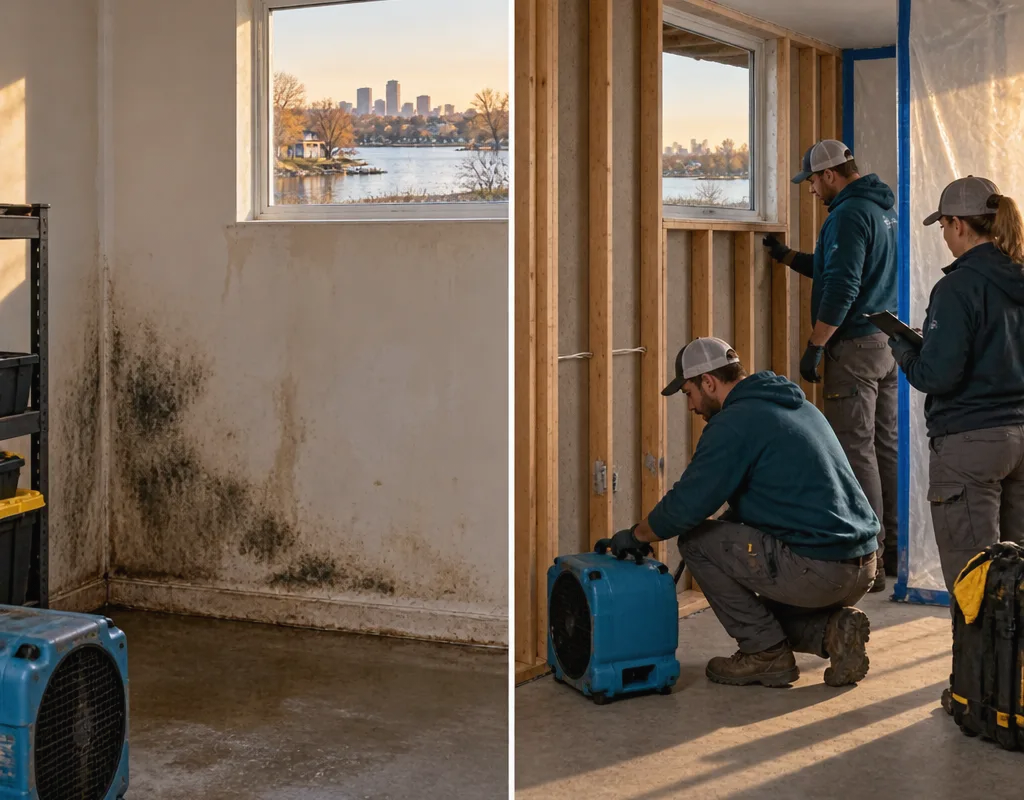
Most Denver mold removal projects take 1 to 3 days of on-site work for a contained area, while larger projects involving multiple rooms, attics, or crawlspaces can take longer. Timeline depends on how much material must be removed, whether drying is still in progress, and how quickly access can be opened safely without spreading contamination.
If mold is on porous materials like drywall, insulation, or carpet pad, removal is often the reliable option because these materials are difficult to clean to a remediation standard. We try to limit demolition to what is necessary, but the deciding factors are how far moisture traveled and whether growth is on or behind the material.
Yes, in many cases you can remain in the building if the work area can be isolated with containment and air control. We plan entry and exit routes, set up negative pressure when appropriate, and discuss any rooms that should be avoided during active work, especially when the affected area connects to hallways or return air pathways.
We start with a moisture and building assessment to define a practical scope, and testing is considered when it will change decisions about what to remove or how to contain. If you already have a third-party report, we can remediate to that scope; if you do not, we can explain when sampling helps and when a clear visual and moisture-based scope is the better use of time.
Mold comes back when moisture comes back, so prevention is primarily about repairs and humidity control rather than stronger chemicals. After remediation, we document the moisture source—leak repair, ventilation correction, condensation point, or drying requirement—and the conditions that should be met before reconstruction so the area stays dry.
Sometimes, but it depends on what caused the moisture event and how the policy treats mold and water damage. If the mold is tied to a sudden, accidental leak, coverage is more likely than with long-term seepage or deferred maintenance. We can provide photos, moisture notes, and a written scope to support the documentation side of the claim.
Tell us what you are seeing and where it started. We will inspect, trace the moisture source, and provide a written scope that prioritizes containment, thorough cleanup, and practical steps to help protect indoor air afterward.
Call for Emergency Help