Water Damage Restoration
Full restoration after a water loss, including drying, monitoring, and coordinating the repair path so the home can be put back together correctly.
Serving Denver, Colorado & surrounding areas
Fast, practical help when water is spreading. We respond 24 hours a day to stop the source, remove water, dry the structure, and document what happened so you can move forward with clear next steps.
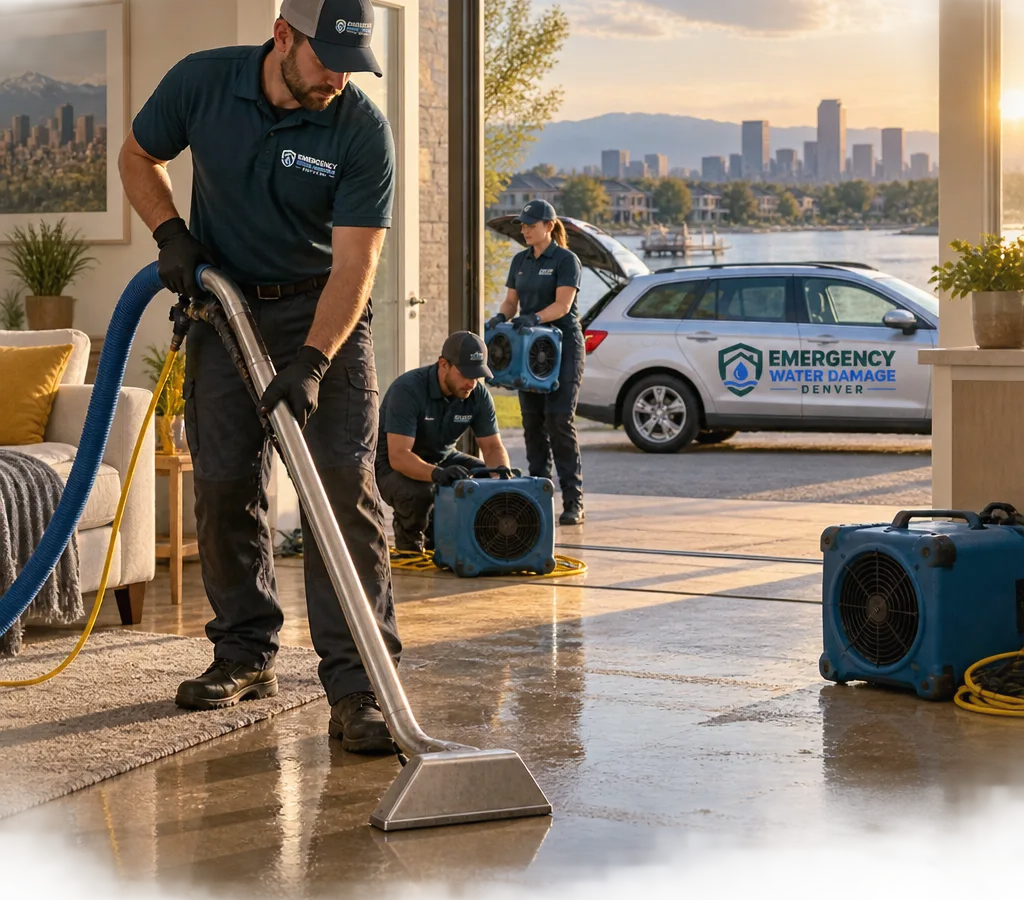
When you have water damage in Denver, minutes matter. The first goal is to stop ongoing loss (shutoff, supply line, appliance, roof intrusion, overflow) and protect what can be saved. Next comes water removal and moisture mapping, because water travels under flooring, into baseboards, and behind walls.
Emergency Water Damage Denver focuses on stabilizing the property: extracting standing water, setting drying equipment, and monitoring humidity and material moisture so drying stays on track. If materials cannot be dried safely, we explain what needs to be removed and why, then document conditions with photos and notes that support insurance conversations.
You will get a clear plan for containment, drying targets, and what to expect over the next several days, including how we handle high risk areas like kitchens, bathrooms, basements, and shared walls in multi unit buildings.
Specialized cleanup, mitigation, remediation, and repair for property losses throughout Denver.
Full restoration after a water loss, including drying, monitoring, and coordinating the repair path so the home can be put back together correctly.
Rapid cleanup for active leaks and overflows, including extracting water, basic demo where needed, and setting drying equipment quickly.
Repairs after drying is complete, such as replacing damaged drywall, trim, flooring, and other finish materials impacted by the loss.
Remediation after a water loss to remove unsalvageable materials, treat affected areas, and prepare the structure for rebuilding.
Certified abatement work to contain, remove, and clean up asbestos containing materials with proper controls and disposal steps.
Targeted asbestos removal services for projects that require careful containment, safe handling, and clearance oriented cleanup.
A home mold assessment with visual inspection and moisture checks to identify likely sources and outline practical next steps.
Containment and remediation to remove affected materials, clean remaining surfaces, and address moisture conditions that allow regrowth.
Safe mold removal focused on protecting indoor air during cleanup and leaving the area ready for repair and restoration work.
Smoke and fire cleanup with a focus on odor control, soot removal, and repair planning so damaged areas can be rebuilt safely.
Restoration after flooding, with a focus on stabilizing wet building materials, reducing odor issues, and planning the rebuild scope.
Help after major property events with coordinated cleanup, stabilization, and restoration planning to get the site back to usable condition.
Mitigation work to prevent secondary damage after a loss, including extraction, drying, dehumidification, and moisture verification.
Emergency water removal for standing water on floors, in basements, and in affected rooms, with fast extraction to limit spread.
Cleanup and repair support for flooded basements, including extraction, drying plans for finished spaces, and steps to protect framing and insulation.
High volume extraction for heavy water losses, including carpet extraction and removing pooled water in hard to reach areas.
Cleanup for contaminated water with containment, safe removal of affected materials, cleaning, and steps to reduce health risks.
We prioritize source control and containment. That can mean shutting off water, isolating wet rooms, pulling up wet carpet padding, and protecting hardwood, cabinets, and baseboards before moisture wicks farther.
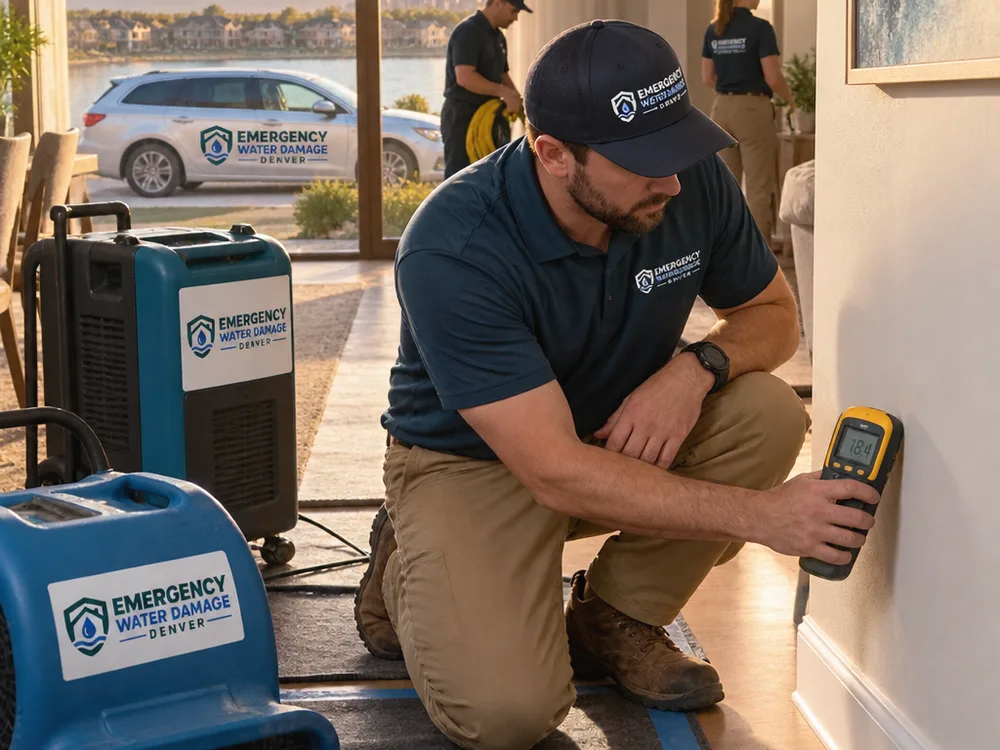
Drying plans work when they are based on measurements. We use moisture checks on walls, flooring, and framing to find hidden wet areas and track progress until materials reach safe, dry targets.
A small bathroom overflow needs a different setup than a multi room loss. We place air movers and dehumidifiers based on room layout, material type, and airflow, then adjust as conditions change.
We document affected areas, equipment placement, and daily readings. If you are filing a claim, this record helps explain what happened, what was damaged, and why certain steps were necessary.
Water damage often involves cabinets, drywall, flooring transitions, and personal items. We talk through what can be dried in place, what should be moved, and what removal protects the home long term.
Some losses involve Category 2 or Category 3 water, and some older materials may raise asbestos concerns during demolition. We explain the risk level and the safe path before any invasive work begins.
Emergency Water Damage Denver provides water damage service across Denver, CO.
We focus on urgent water losses where quick decisions reduce secondary damage. That includes supply line leaks, water heater failures, appliance leaks, toilet overflows, and basement seepage that turns into standing water. We arrive prepared to assess the source, remove water, set drying equipment, and outline the scope in plain language.
If you are dealing with emergency water damage restoration in Denver, our job is to make the situation manageable: isolate what is affected, identify what can be saved, and set a drying plan that is based on measurements, not assumptions. You will know what happens today, what happens over the next few days, and what the repair path typically looks like once drying is complete.
Most water damage work in Denver typically ranges from about $1,500 to $7,500+, with small, clean water losses often landing closer to $1,500 to $3,000 and larger multi room or basement losses more often $4,000 to $12,000+.
Final pricing depends on how far water traveled, how long materials stayed wet, what needs removal (drywall, insulation, flooring), access to affected areas, and whether the water is contaminated. The exact cost is confirmed after an on site inspection and moisture mapping.
Call for Emergency HelpWe identify where the water is coming from, help secure the supply if possible, and set priorities to protect high value areas like hardwood, cabinets, and finished basement spaces.
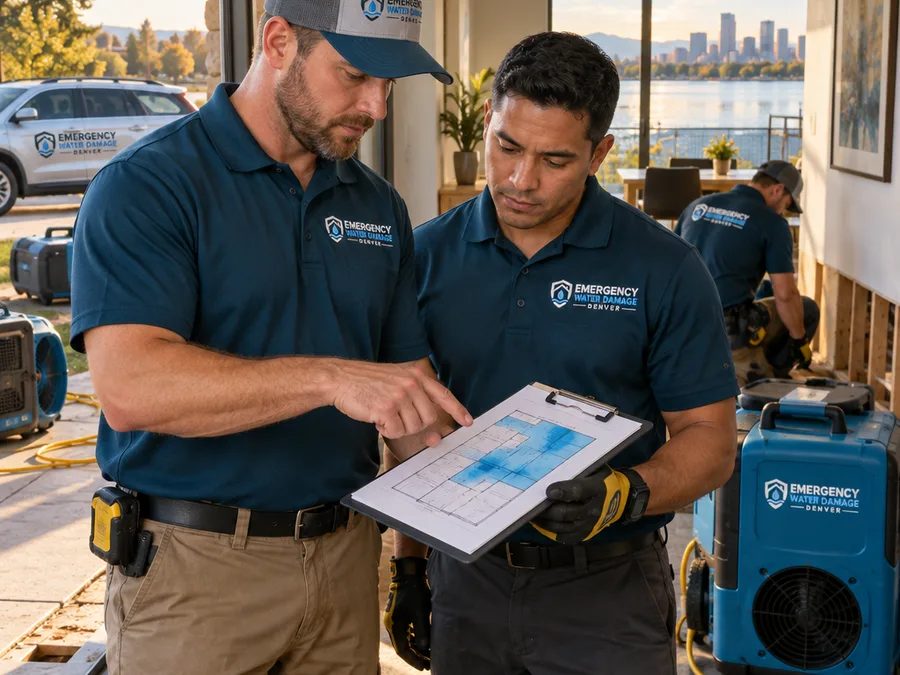
We inspect visible damage and check for hidden moisture in walls, floors, and adjacent rooms. This determines what can be dried in place and what needs selective removal.
We perform water extraction and remove unsalvageable wet materials when needed, then stage air movers and dehumidifiers for effective airflow and humidity control.
We track moisture readings and humidity, adjust equipment placement, and document progress. You get updates on what is drying well and what needs additional steps.
Once materials reach acceptable dry levels, we confirm the space is ready for repairs and provide a clear scope for what comes next, including any rebuild items.
If you see bubbling paint, warping floors, or a musty smell after a leak, get it checked quickly. Hidden moisture is where damage gets expensive.
We handle water damage Denver CO projects throughout Denver, with fast response focused on residential properties and urgent losses.
Many older buildings have shared plumbing stacks and tight chases, so a small leak can affect multiple units and ceilings below if it is not addressed quickly.
Mature landscaping and older service lines can contribute to seepage and sudden leaks, and finished spaces need careful drying to protect floors and trim.
A mix of historic homes and newer builds means water damage varies from old pipe failures to appliance leaks, with hidden moisture often traveling between floors.
Newer housing still sees water losses from supply line fittings, HVAC condensate issues, and second floor laundry rooms that can soak ceilings and drywall fast.
Older housing stock and renovations can hide previous repairs, so moisture mapping matters to find wet cavities behind newer finishes and prevent repeat issues.
Higher end finishes like hardwood and custom cabinetry benefit from fast extraction and controlled drying to reduce cupping, staining, and swelling.
“A supply line leak soaked our hallway and a bedroom. They showed up fast, explained what needed to happen first, and kept checking moisture levels until everything was dry.”
“We had water in the basement after a storm. The crew got the standing water out, set equipment, and gave us daily updates so we knew the plan and the timeline.”
“What I appreciated most was the documentation. Photos, notes, and clear explanations made the insurance conversation much easier.”
Yes, we respond 24 hours a day for active water losses so you can stop the damage from spreading. After arrival, we focus on source control, extraction, and setting a measured drying plan.
You should act immediately because water can move under floors and into wall cavities quickly. If it is safe, shut off the water source and avoid using electrical circuits in wet areas until the situation is assessed.
Often, yes, if materials are still structurally sound and the water source and category allow it. We use moisture readings to decide whether drying in place is appropriate or whether selective removal protects the structure.
Yes, we document the affected areas and the work performed with photos and notes. That documentation helps support the scope and explains why drying, removal, and monitoring steps were necessary.
Mitigation is the immediate work that prevents secondary damage, like extraction and drying setup. Cleanup addresses water removal and affected materials. Restoration is the repair and rebuild work that returns the home to pre loss condition.
In many situations it is, but it depends on the affected areas, noise, and whether contaminated water is involved. We will tell you what areas to avoid and whether any containment is needed for safety.
Tell us what happened and what areas are wet. We will walk you through immediate safety steps, schedule an on site assessment, and outline a drying and repair path you can understand.
Call for Emergency Help