On-site assessment and written scope
We review the suspected materials, access points, and occupant conditions, then provide a written plan that defines boundaries, methods, and schedule assumptions before work starts.
Serving Denver, Colorado & surrounding areas
If asbestos is suspected in your property, the next step is a controlled, compliant abatement plan. We handle testing coordination, containment, removal, and disposal with clear written scopes and fast scheduling for Denver homes and commercial sites.
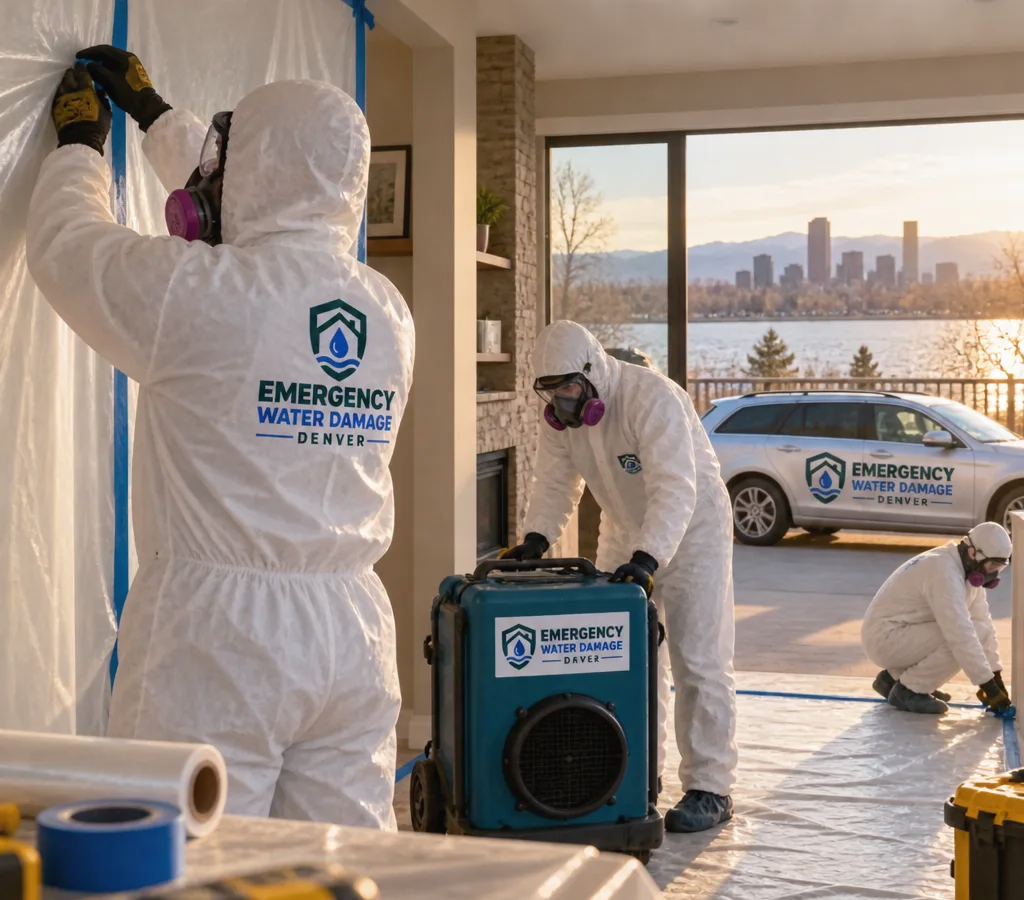
Denver asbestos removal is not a demolition job. It is a regulated abatement process designed to keep fibers out of the air, protect occupants and neighboring units, and document proper disposal. If you are renovating an older bungalow, managing a tenant turnover, or responding to damaged building materials, the right approach is the same: confirm what is present, isolate the work area, remove it using wet methods and controlled handling, then clear the space with the right cleanup and verification steps.
Our team at Emergency Water Damage Denver focuses on practical abatement plans that fit real buildings. In neighborhoods with older housing stock like Capitol Hill and Baker, asbestos can show up in common materials tied to mid-century remodels and earlier construction. In multi-unit buildings around Cheesman Park, the main challenge is protecting shared hallways and adjacent units while keeping the project on schedule. In Lowry and other areas with large-scale renovations, the priority is coordinating with other trades so abatement does not become the bottleneck.
You will work with an experienced emergency water damage team in Denver that understands time-sensitive, safety-driven jobs and the documentation property owners and managers need before rebuild work moves forward.
We review the suspected materials, access points, and occupant conditions, then provide a written plan that defines boundaries, methods, and schedule assumptions before work starts.
We build a regulated containment using critical barriers, HEPA-filtered negative air machines, and controlled entry so fibers stay inside the work zone.
Materials are kept damp to reduce airborne release, then removed intact where feasible, bagged and labeled, and staged for compliant transport.
We HEPA vacuum and wet-clean surfaces inside containment, then decontaminate tools and transition areas to prevent cross-contamination.
We track waste packaging and disposal steps for your records so you can show compliant handling when selling, leasing, or continuing construction.
Abatement is scheduled to reduce downtime, with attention to access, temporary shutdowns, and safe handoff for the next phase of the project.
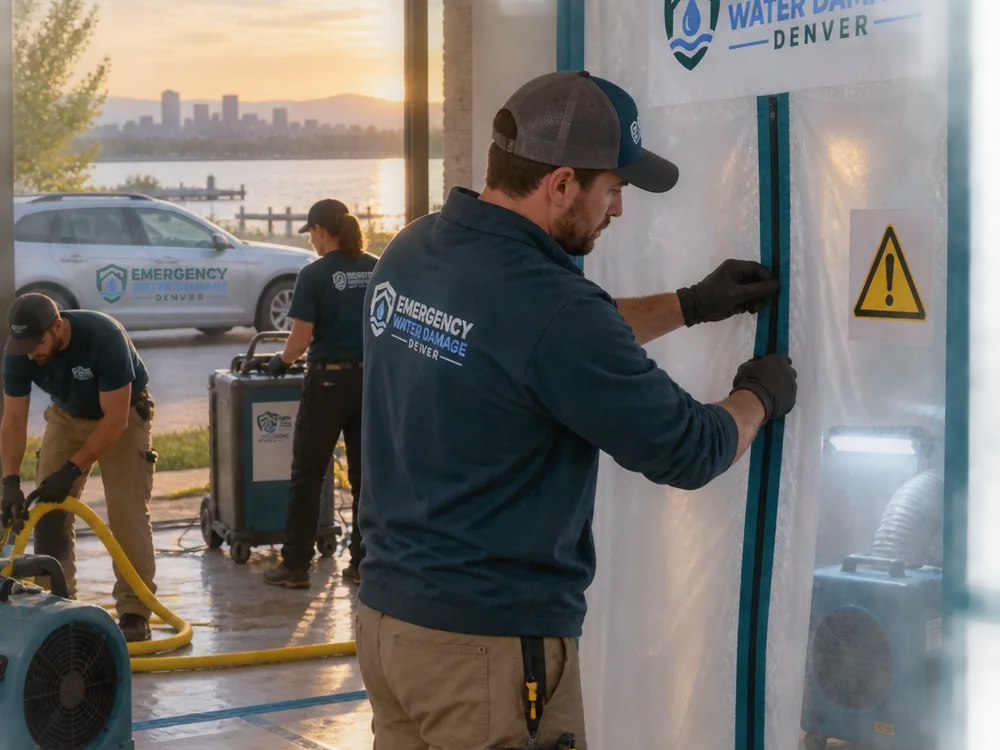
A proper asbestos removal job starts with controlling air movement. We isolate the area with sealed plastic barriers and establish a single controlled entry. HEPA-filtered negative air maintains airflow into the containment, not out into the rest of the building.
Next comes removal. We use wet methods to limit fiber release, remove and bag waste in approved containers, and keep surfaces clean as we go. After removal, we perform detailed HEPA vacuuming and wet wiping of the work area, then take down containment carefully so dust is not released during cleanup.
If you are in an attached home or a multi-tenant building, containment planning matters even more. Shared mechanical chases, stairwells, and hallway traffic can spread dust if the job is not sequenced correctly. We plan the work zone, staging, and daily shutdown steps around how the building is actually used.
If the asbestos concern follows a leak, flood, or saturated building materials, it is often important to stabilize conditions first. In those cases, water damage restoration in Denver can run in parallel with the abatement plan so the site is safe and ready for the next trade.
We gather the basic details—property type, suspected material, access constraints, and occupancy—and confirm what must happen before abatement can begin.
If lab confirmation is needed, we coordinate the next steps and build the scope around the specific material and location, not assumptions.
Containment is installed with critical barriers, negative air, and a controlled entry approach appropriate to the space.
We remove using wet methods and careful handling, package waste correctly, and maintain a clean work zone throughout the job.
After detailed HEPA and wet cleaning, we break down containment carefully and provide the documentation you need to move forward.
Denver asbestos removal typically ranges from about $1,500 to $6,500 for many residential projects, with small, contained removals sometimes starting around $750 to $1,500 and larger or multi-room abatements running $7,500+ depending on conditions. Commercial and multi-unit work can be higher because of access control, off-hours scheduling, and expanded containment.
Your final price mainly depends on material type and friability, square footage, ceiling height and access, how many containments are required, and whether the area is occupied. The exact cost is confirmed after an on-site inspection and a written scope that matches the tested material and job conditions.
Call for Emergency Help“We had asbestos suspected in a basement ceiling before a remodel. The crew explained the containment setup, showed up when scheduled, and left the area clean enough for our contractor to start right away.”
“This was a tenant-occupied situation, and the main concern was keeping dust out of the rest of the building. The containment and daily cleanup were handled carefully and the documentation made the owner comfortable moving forward.”
Yes, most projects start with lab confirmation because asbestos cannot be identified reliably by sight, and the work plan depends on the material type and condition. If a material is clearly documented as asbestos-containing, abatement can be scoped from that documentation, but renovations and insurance-driven work usually require current results tied to the actual location being disturbed.
Many residential abatements can be completed in 1 to 3 days once the scope is confirmed, but timelines change with containment complexity, access limits, and how many separate areas need isolation. Multi-unit buildings and commercial spaces may take longer because set-up, daily shutdown, and occupant protection steps often require more coordination than the removal itself.
Sometimes, but it depends on where the work is and how the home is laid out. If the containment is isolated from living areas and there is a safe path in and out, limited occupancy may be possible; if the work is near main circulation routes, HVAC pathways, or involves multiple rooms, temporary relocation is often the safer plan.
Abatement is commonly triggered when planned work will disturb suspect materials such as certain types of insulation, textured finishes, resilient flooring layers, or older cementitious products. The key factor is disturbance: intact material left alone is handled differently than material that will be cut, sanded, or removed during a remodel or repair.
We plan containment around air movement by sealing supply and return openings in the work zone, using negative air with HEPA filtration, and controlling entry so air flows into the containment rather than out into the building. If HVAC cannot be isolated safely for the scope, we address that up front in the work plan before removal begins.
Yes, we support the paperwork trail typically needed for property records, renovation files, and insurance documentation. What you receive depends on project type, but the goal is the same: clear documentation that the waste was handled and disposed of through compliant channels.
Share what you know about the suspected material and your timeline. We will confirm the next steps, explain how containment will work in your space, and provide a written estimate you can use to plan the project.
Call for Emergency Help