Emergency mitigation and safety steps
Initial shutoff coordination, water extraction, stabilization of wet areas, and targeted removal of unsalvageable materials to stop the damage from spreading.
Serving Denver, Colorado & surrounding areas
Fast, careful recovery after water, storm, or other property damage with a clear plan from inspection through repairs.
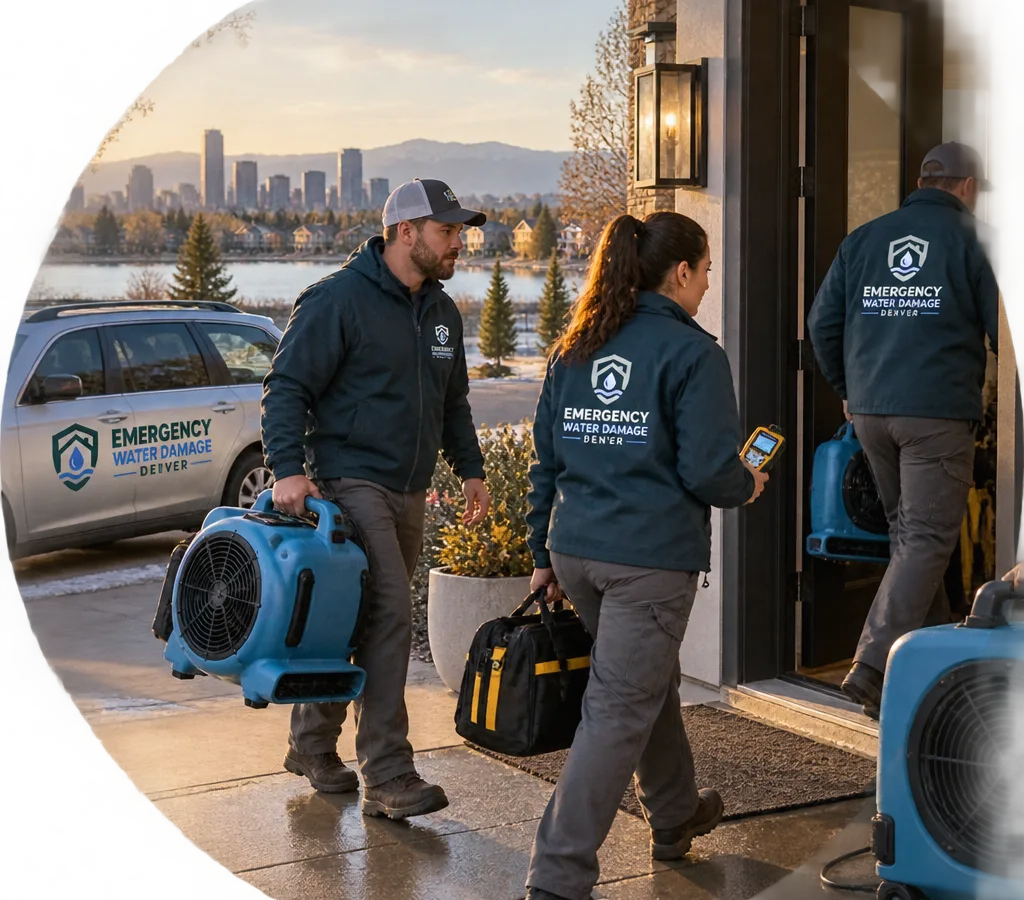
When you search for disaster restoration Denver, you usually need two things immediately: the situation stabilized and a realistic path back to normal. That starts with a site inspection to find where water or contamination actually traveled, what materials can be saved, and what must be removed. We document conditions, explain the safety steps, and outline a scope that matches the damage and the building type.
Emergency Water Damage Denver is an emergency water damage team serving Denver that handles disaster recovery work with the same priorities you have: protect the structure, prevent secondary damage, and get you back into usable space as soon as it is safe. You will know what happens next, what we are doing on-site, and what the next decision point is before any major work begins.
Denver properties often mix older materials with newer renovations, and that affects restoration. Plaster walls can hide moisture paths, hardwood can cup if drying is rushed, and finished basements can trap damp air behind framing. We focus on controlled drying, careful removal, and verification with moisture readings so the building is ready for rebuild, not just visually dry.
Initial shutoff coordination, water extraction, stabilization of wet areas, and targeted removal of unsalvageable materials to stop the damage from spreading.
Air movers, dehumidification, and moisture monitoring on framing, subfloors, drywall, and concrete so drying is measured, not guessed.
Cleaning of affected surfaces and contents as appropriate, plus deodorization steps when materials have absorbed moisture or contaminants.
Controlled tear-out where needed, with dust control and isolation of affected areas to limit disruption to the rest of the building.
Once the structure is dry and safe, we move into repairs so the restored space is functional again, not left half-finished.
Notes and photos to support decision-making and keep everyone aligned on what was found, what was done, and what remains.
Disaster recovery Denver work is never one-size-fits-all. The same leak can behave differently in a Capitol Hill condo than it does in a Washington Park bungalow because of construction details, floor assemblies, and how the building is occupied.
In older neighborhoods like Capitol Hill, finishes can include plaster, layered flooring, and older framing details that hold moisture in pockets. That makes moisture mapping and slow, controlled drying important. In areas with many finished basements, like parts of Washington Park and nearby blocks, water can move behind baseboards and under floating floors before you see it. In LoDo and other downtown-adjacent buildings, shared walls and multi-story stacks mean we pay attention to vertical water migration and unit-to-unit impacts.
We also plan around Denver's dry climate and big temperature swings. Dry air can help, but it can also mask moisture trapped inside assemblies. The goal is to dry the structure to appropriate moisture levels, verify it with readings, and only then close walls or start rebuild work.
If your loss is clearly limited to moisture intrusion and drying needs, our water damage restoration service outlines the focused approach for extraction, drying, and repairs without broadening scope beyond what the property actually requires.
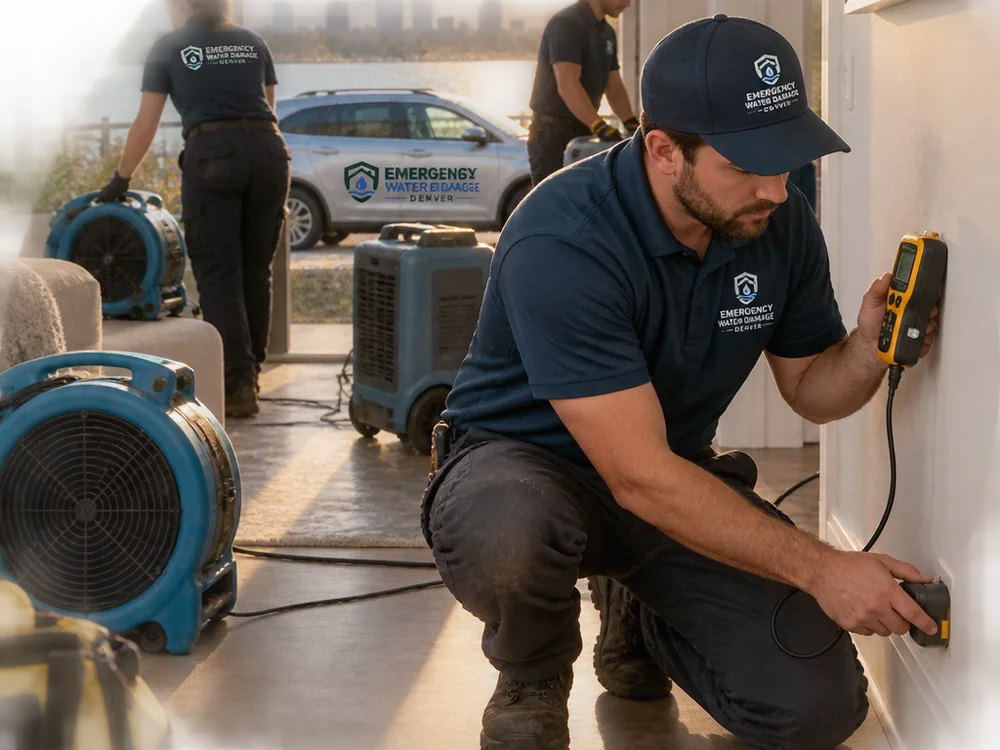
We gather the basics, then inspect the affected areas to identify the source path, materials impacted, and any immediate safety concerns.
We isolate the work area if needed, remove standing water, and take steps to stop ongoing damage. If tear-out is required, we keep it targeted.
We set drying equipment and track progress with moisture measurements. Cleaning and deodorization are done as conditions call for them.
After verification that the structure is ready, we coordinate repairs so you can move from mitigation to a finished, usable space.
We review what was affected, what was removed or restored, and what was repaired so you have a clear closeout and next steps if anything remains.
Disaster restoration in Denver typically ranges from about $1,500 to $15,000+, depending on how much of the structure is affected and whether rebuilding is included. A small, contained incident with drying and minor repairs may fall near the low end, while multi-room losses, basement impacts, or contaminated water situations can move costs higher.
Price changes with the category of water or contamination, the number of rooms, how far moisture traveled into walls and floors, access for equipment, and how much material must be removed and replaced. The exact cost is confirmed after an on-site inspection and a written scope based on measured conditions.
Call for Emergency Help“We had water spread into two rooms and the basement. The team explained what had to come out, set up drying fast, and kept checking moisture until it was actually ready for repairs. The plan was clear and the work area stayed contained.”
“After a storm issue, they documented everything, walked us through what was urgent versus what could wait a day, and then handled the rebuild without dragging it out. Communication was steady the whole time.”
Restoration can often start the same day depending on crew availability and site conditions, and the first priority is mitigation to prevent secondary damage. In Denver, early extraction and controlled drying are especially important in finished basements and multi-level buildings where moisture can migrate before it shows on the surface.
Mitigation is the immediate work that stops the damage from getting worse, like extraction, containment, selective removal, and setting drying equipment. Full disaster recovery adds the repair and rebuild phase after moisture levels are verified and the structure is ready to close back up.
Some materials can be dried in place, but removal is needed when moisture is trapped in assemblies, insulation is saturated, or materials are contaminated or deteriorating. The decision is made from moisture readings, the water source category, and whether drying access exists behind baseboards, under cabinets, or beneath floor coverings.
A small loss may take a few days to dry and a bit longer to complete repairs, while larger losses can take weeks when multiple trades and material lead times are involved. Timelines depend on how wet the structure is, whether demolition is required, and how much rebuild work is included after drying verification.
Yes, we can provide photos and notes about affected areas, equipment placement, and the work performed so the situation is clearly documented. Every claim is different, but having measured moisture data and a written scope helps reduce confusion during the disaster restoration process.
If it is safe, stop the source of water and avoid using electrical areas that may be wet. Move small valuables out of the affected area and keep foot traffic minimal on wet flooring to limit damage spread; then we can assess moisture paths and set up mitigation as soon as we arrive.
Tell us what happened and what areas are affected. We will confirm next steps, schedule an inspection, and provide a clear scope for stabilization, drying, and repairs.
Call for Emergency Help