Clear scope of the affected areas
We document where suspected growth or conditions exist, what materials are involved—drywall, subfloor, insulation, or framing—and what areas should be opened for confirmation when needed.
Serving Denver, Colorado & surrounding areas
Get a careful on-site assessment, moisture findings you can act on, and a clear plan for what to do next.
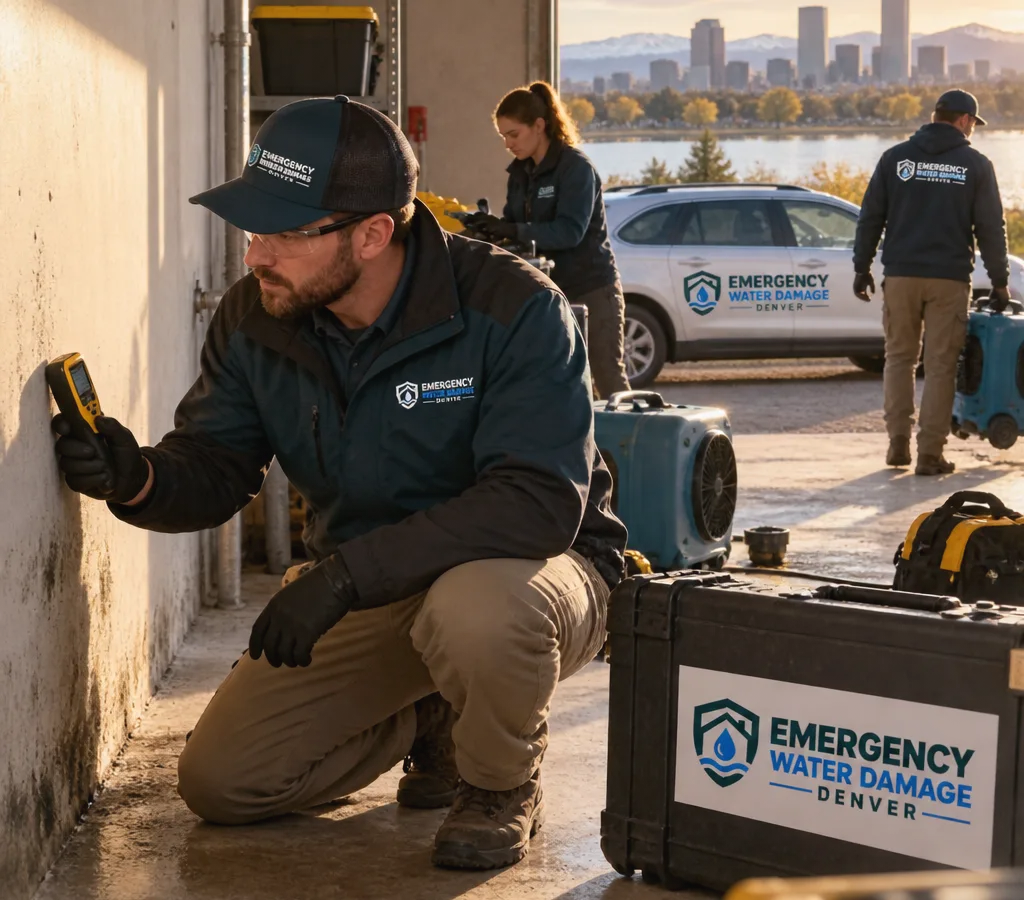
A mold inspection in Denver is worth scheduling when you have a persistent musty odor, visible spotting on drywall or framing, recent water intrusion, or ongoing allergy-like symptoms that improve when you leave the building. In older Denver housing stock, small roof leaks, ice-dam back-ups, and plumbing seepage can stay hidden behind insulation or finished basements long enough for mold to develop.
People also book mold inspection Denver appointments for decision moments: before buying a home, before starting repairs, or when a tenant or employee reports odors or health concerns. The goal is simple: confirm whether mold is present, identify likely moisture sources, and document what needs attention so you can prioritize the right fixes.
We inspect homes and commercial spaces across Denver, including areas with a mix of older and renovated properties like Capitol Hill, plus neighborhoods with many finished basements such as Washington Park and Platt Park. In places like Stapleton/Central Park where homes are newer, the issues we often see are localized: window leaks, HVAC condensate problems, or small plumbing failures that soak drywall and carpet padding before anyone notices.
A proper inspection starts with the building science basics: mold follows moisture. We begin with a walkthrough to understand the history—leaks, flooding, roof work, and recent remodels—and to map where air and water move through the property.
During the on-site assessment we typically use:
Sampling is not automatic. If lab testing will change the decision—for example, confirming whether staining is microbial growth, establishing a baseline for a sensitive occupant, or documenting conditions for a real estate negotiation—we can collect air and/or surface samples using standard chain-of-custody procedures and send them to an accredited lab. You get written findings that separate what we observed, what we measured, and what the next practical steps are.
As an emergency water damage team throughout Denver, our inspection approach stays focused on the root cause: where moisture is getting in, how long it has likely been present, and what needs to be corrected so the problem does not come back after cleanup.
We document where suspected growth or conditions exist, what materials are involved—drywall, subfloor, insulation, or framing—and what areas should be opened for confirmation when needed.
We focus on moisture pathways: roof and flashing leaks, plumbing seepage, foundation seepage, condensation from HVAC or bathrooms, and humidity trapped in tight spaces.
You receive prioritized recommendations: what to fix first, what can wait, what to monitor, and what kind of remediation containment is appropriate for the situation.
For buyers, sellers, and property managers, we can provide written notes and lab results, when sampling is performed, that support informed decisions and negotiations.
We explain when it is safe to leave an area alone and when disturbing materials could spread contamination, especially around HVAC returns and shared walls in multi-unit buildings.
We ask a few focused questions about odors, visible staining, recent leaks, and any health sensitivities in the home or workplace so we arrive prepared.
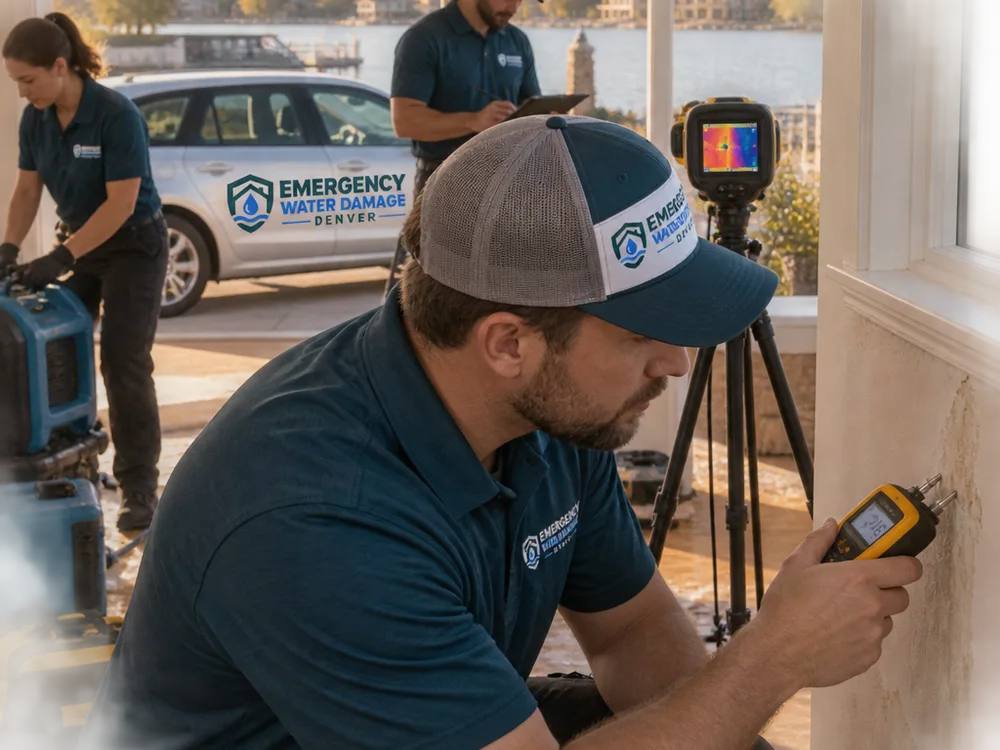
We walk the space, check likely intrusion points, and use moisture meters and targeted thermal scanning to identify where materials are wet or have been wet.
If testing will change the plan, we collect air and/or surface samples and send them to a lab for analysis, with clear labeling and documentation.
You get a straightforward summary of what we found, where, and why it likely happened, plus recommended corrections and whether professional remediation is appropriate.
Mold inspection in Denver typically ranges from about $250 to $750 for most homes, depending on size, the number of areas of concern, and whether sampling is needed. A straightforward inspection of a small condo often lands at the lower end, while a larger home with basement and attic access, multiple suspect rooms, and documentation needs trends higher.
Final pricing depends on access, including tight crawlspaces and high ceilings, how much moisture mapping is required, and lab fees if air or surface samples are collected. The exact cost is confirmed during scheduling and finalized at the inspection based on the scope on site.
Call for Emergency Help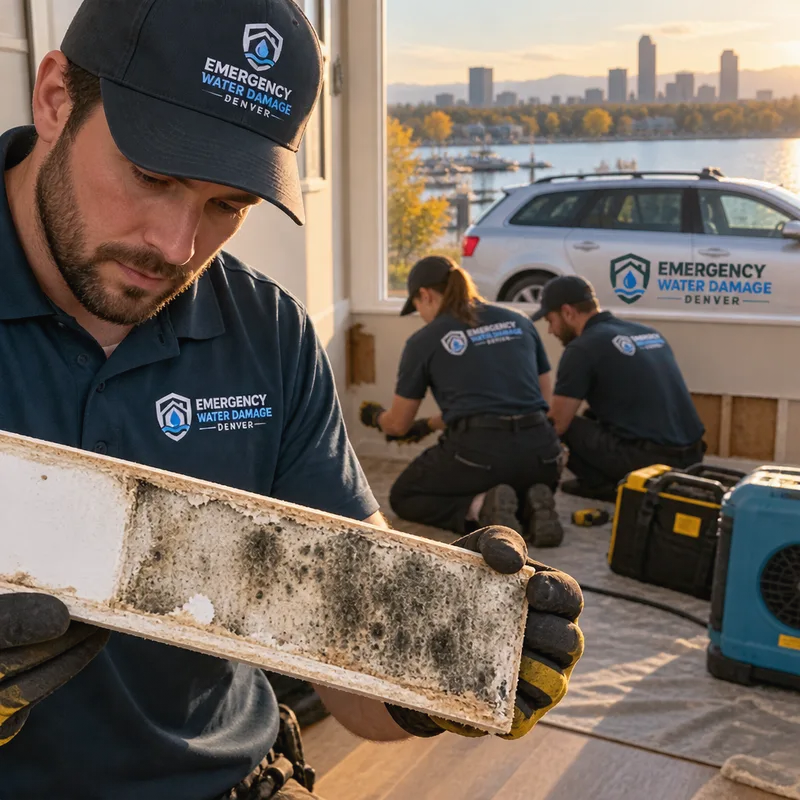

Most mold inspections take about 60 to 120 minutes on site, depending on the size of the property and how many areas need moisture checks. Larger homes with basements plus attic access, or commercial spaces with multiple suites, can take longer because more readings and documentation are needed.
You only need mold testing when the result will change the decision, such as confirming whether a stain is microbial growth or documenting conditions for a real estate or workplace issue. A strong mold inspection Denver visit usually starts with moisture mapping and a careful visual assessment, then adds air or surface sampling if it will clarify the scope or support a written record.
Yes, and odor-only cases are common because growth can be behind drywall, under flooring, inside cabinetry, or in insulation. We use moisture meters and targeted thermal scanning to identify wet building materials and narrow down where a hidden reservoir is most likely.
For the most representative conditions, keep the home operating normally and avoid unusual changes right before the visit. If sampling is planned, we will tell you what to avoid, such as running heavy filtration or opening windows for long periods, so results are not skewed.
Often it is, but it depends on the location, how much material is affected, and whether spores are being distributed through returns or disturbed by work. During the inspection we can give risk-based guidance, especially for children, older adults, and anyone with asthma or immune concerns.
The next step is correcting the moisture source first, then planning remediation that matches the situation, including containment level, material removal, cleaning, and post-work verification. Your report will outline what areas should be addressed and what conditions must be fixed so the problem does not recur.
Yes, we perform mold inspections for rentals and commercial properties, including spaces with shared walls and shared HVAC where odor complaints can be hard to trace. We document observations and moisture readings so owners, managers, and occupants can agree on a practical plan.
Tell us what you are seeing or smelling and where it is happening. We will schedule a detailed mold inspection, document the findings, and explain the next steps in plain language.
Call for Emergency Help