Soot and smoke residue on surfaces
Dry soot on walls and ceilings, oily residues on cabinets, and film on windows and fixtures. The right cleaning method depends on the residue type and the material underneath.
Serving Denver, Colorado & surrounding areas
Fast, careful cleanup after a fire. We document the loss, remove damaged materials, control odor, and coordinate repairs so you can safely move forward.
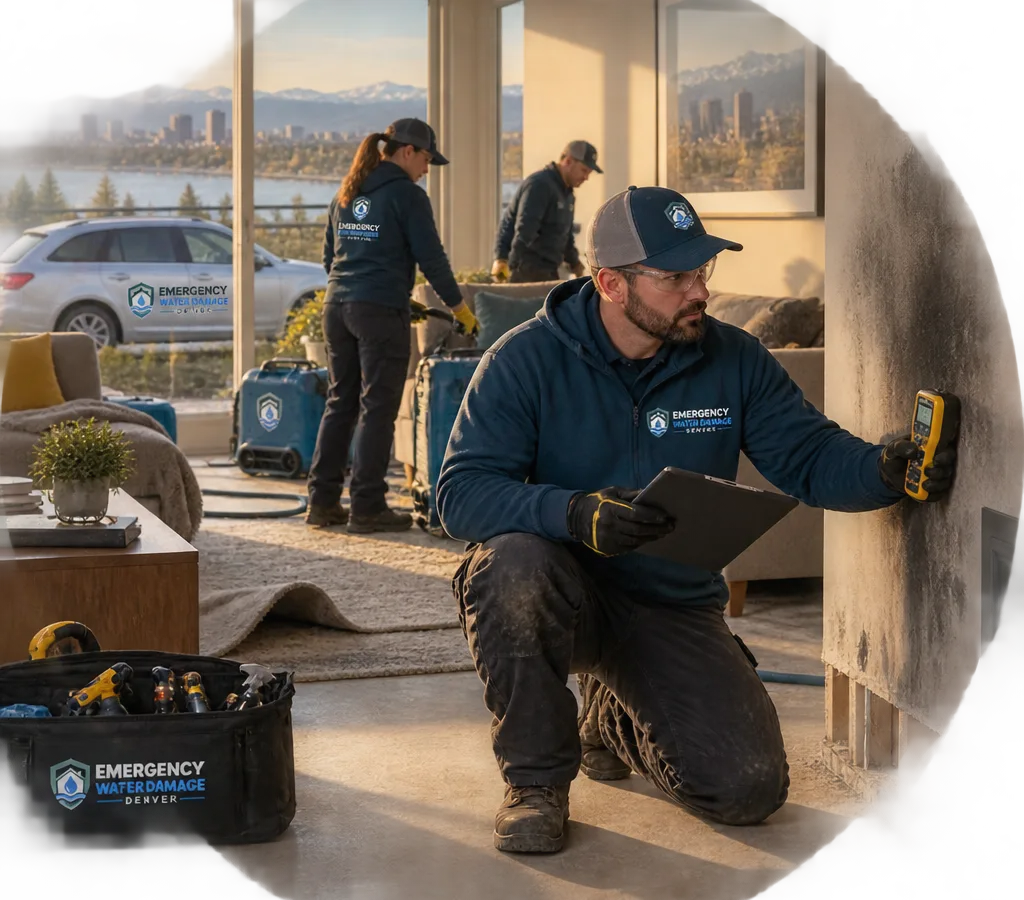
Fire damage is rarely limited to the area that burned. Heat can crack drywall and warp trim, smoke can travel through attic spaces and HVAC returns, and water from suppression can soak framing, insulation, and flooring. Fire damage restoration Denver homeowners expect should address all of it: safety hazards, odor, and the rebuild.
Our fire restoration work starts with a clear scope. We inspect the structure, identify materials that must be removed—such as charred drywall, insulation, cabinetry, and carpeting—and map where soot and odor residues settled. Then we plan containment so cleanup does not spread contamination to unaffected rooms.
Emergency Water Damage Denver is a local team based in Denver, CO 80208. We work as emergency water damage specialists serving Denver, CO and bring that same moisture-control discipline to fire losses, because drying and dehumidification often matter as much as soot cleanup.
In Denver homes, smoke issues can be tricky because many properties have finished basements, shared return air paths, and older framing cavities that let odor migrate. We focus on source removal and surface cleaning first, then use targeted deodorization where it is actually needed.
The first 24 to 72 hours set the direction for the whole project. If you are waiting on an adjuster or deciding who to hire, there are still steps that protect the building and your claim.
Make the structure safe. Shut off affected utilities if the fire department has not already. Do not run HVAC until the system and ductwork are evaluated, because it can circulate soot through the home.
Prevent secondary damage. Water from suppression can soak carpet pad and insulation quickly. We set air movers and dehumidifiers when appropriate and remove materials that cannot be dried safely.
Document everything. We photograph affected areas, list contents concerns, and note pre-existing conditions so the scope stays accurate.
Control soot migration. Proper containment—plastic sheeting and negative air—keeps cleanup work from re-contaminating hallways and adjacent rooms.
If you are also dealing with water damage from firefighting efforts, the drying plan should be integrated with the fire cleanup so demolition and equipment placement do not work against each other. For Denver properties that need dedicated drying support, water damage restoration can be coordinated alongside the fire restoration scope.
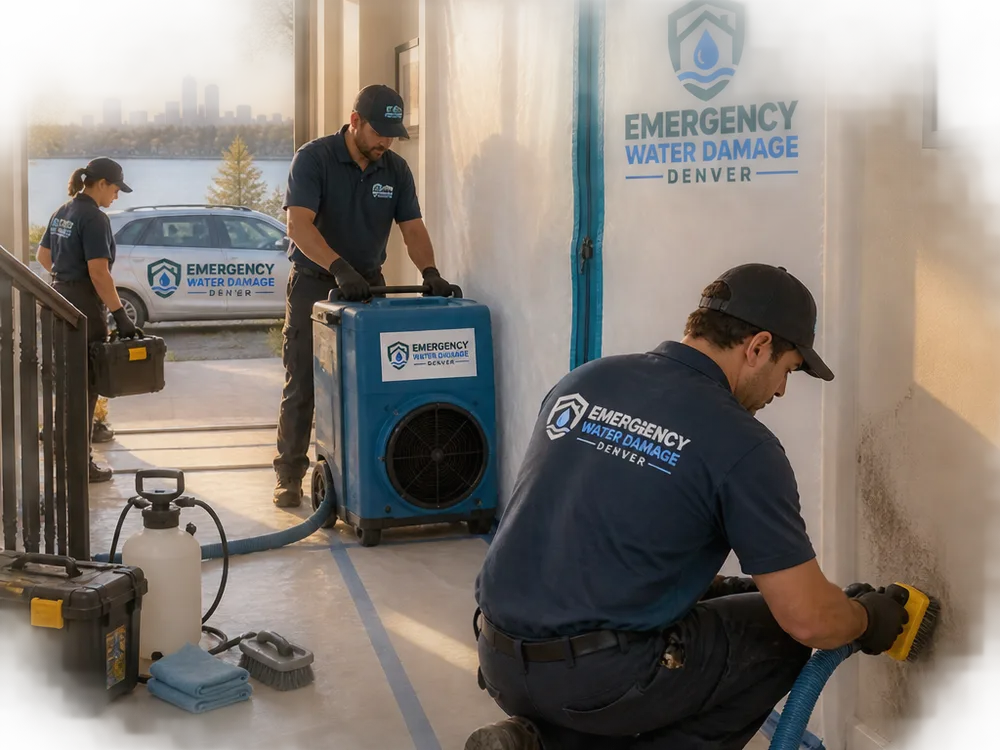
Dry soot on walls and ceilings, oily residues on cabinets, and film on windows and fixtures. The right cleaning method depends on the residue type and the material underneath.
Smoke smell usually means there is still a source in porous materials or hidden cavities. We focus on removal and sealing strategies before relying on deodorizing treatments.
Wet drywall, soaked insulation, swollen flooring, and moisture trapped under cabinets. Drying, selective demolition, and moisture verification keep the rebuild from starting on a damp structure.
Char, delamination, and heat damage often require removal back to sound material, then a clean rebuild with matched textures and paint-ready surfaces.
Returns and supply runs can collect soot and redistribute particles. We coordinate HVAC cleaning or component replacement when inspection shows contamination.
When contents are affected, we help sort what can be cleaned and what should be discarded, and we document decisions so the process stays organized.
We assess structural concerns, identify affected rooms and pathways—including attics and basements—and outline what must be removed versus cleaned. You get a written scope with clear next steps.
Board-up or temporary protection may be needed if openings exist. Inside, we isolate work areas with containment and filtration so soot does not spread during demolition and cleaning.
We remove damaged porous materials such as insulation, carpet pad, heavily affected drywall, and cabinetry components when necessary. This often exposes hidden residue and improves odor control.
We use appropriate methods for each surface—HEPA vacuuming, dry sponging, and wet cleaning where safe—and pay special attention to framing, studs, and ceiling cavities where residues cling.
If suppression water is present, we place drying equipment, track moisture levels, and confirm materials are dry enough for reconstruction. Skipping verification is a common reason for rebuild delays.
Once sources are removed and surfaces are clean, we use sealing and targeted deodorization as appropriate, then move into repairs such as drywall, trim, flooring, paint, and finish installation.
Fire damage restoration in Denver typically ranges from about $3,000 to $12,000 for smaller, contained losses, while larger fires that involve multiple rooms, heavy soot, water damage, and reconstruction often run $15,000 to $60,000+.
Your price depends on how many rooms are affected, how far smoke traveled—including through HVAC or the attic—the amount of demolition required, drying needs, odor sealing, and the repair scope for drywall, flooring, cabinets, and paint. The exact cost is confirmed after an on-site inspection and written scope.
Call for Emergency Help“We had a small kitchen fire but the smoke got everywhere. The crew explained what needed to be removed versus cleaned, set up containment, and the smell was finally gone once the cabinets and insulation behind the range area were addressed.”
“What I appreciated most was the documentation and the plan. They photographed everything, kept the debris removal organized, and the repair work matched the existing texture better than I expected.”
In many cases we can start the same day or next day, depending on safety conditions and access. The first visit focuses on inspection, documentation, and stabilizing the property, because soot migration and suppression water can cause additional damage if they sit.
Sometimes, but only when the odor source is light and limited to cleanable surfaces. Persistent smoke smell usually means porous materials—such as insulation, carpet pad, unfinished wood, or cabinet interiors—absorbed residues. Deodorizing alone will not last unless the source is removed or sealed after proper cleaning.
Yes. We provide photos, notes, and a clear scope so the claim process has solid documentation. Insurance decisions vary by policy and adjuster, but good documentation of affected materials, demolition needs, and cleaning steps reduces delays.
It depends on the affected areas, soot levels, and whether essential systems are contaminated. When we set containment and air filtration, some households can remain in unaffected areas. If bedrooms, HVAC pathways, or large portions of the home are impacted, temporary relocation may be the safer option during demolition and deep cleaning.
Avoid running the system until it is evaluated, because it can spread soot into clean rooms. If inspection shows contamination in returns, supplies, or the air handler, we coordinate the right next step, which may include cleaning, filter changes, or component replacement depending on what was exposed.
A small, contained loss may take a few days for cleanup plus additional time for repairs, while larger losses can take weeks when demolition, drying, odor sealing, and reconstruction are all required. Timeline is driven by scope, material availability, and whether drying or specialty cleaning is needed before rebuild work starts.
Tell us what happened and what areas were affected. We will inspect the damage, document the scope, and walk you through the cleanup and repair steps so you can make decisions with solid information.
Call for Emergency Help