
Containment and negative pressure
Work areas are isolated with critical barriers, controlled entry, and negative air filtration to keep fibers from migrating to adjacent rooms and HVAC pathways.
Serving Denver, Colorado & surrounding areas
If you suspect asbestos in a home or commercial space, start with a clear plan: inspection, safe containment, certified removal, and proper disposal so the area can be used again with confidence.
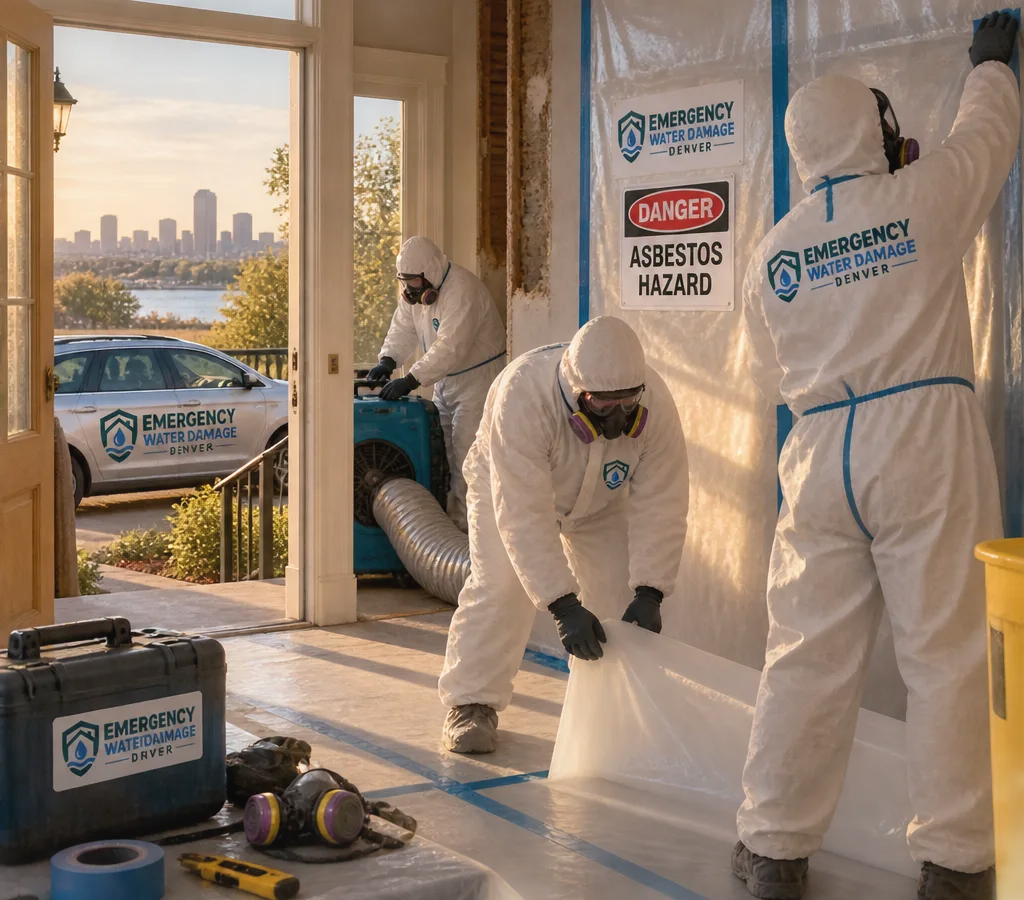
Asbestos abatement in Denver is about controlling fibers first, then removing or encapsulating asbestos-containing materials without spreading contamination through the building. The right approach depends on what material is involved—pipe insulation, popcorn ceiling texture, floor tile and mastic, duct wrap, plaster, siding, or roofing—and whether it is damaged or likely to be disturbed.
Our team at Emergency Water Damage Denver handles asbestos abatement Denver property owners and managers can rely on when they need a documented scope, controlled work practices, and a jobsite that is left clean and ready for whatever comes next. Much of our work is in older housing stock common across central Denver neighborhoods, where remodeling, maintenance, and HVAC or plumbing work can expose suspect materials.
You will get a straightforward explanation of what we found, what the options are—remove, encapsulate, or manage in place—and what the containment and cleanup plan looks like. When the goal is to start repairs after an incident, we coordinate the abatement scope so affected areas are stabilized without creating new exposure risks.
In Denver, many homes and small commercial buildings were built or renovated during decades when asbestos was commonly used for heat resistance and durability. That is why suspect materials often turn up in places tied to heat, friction, and older finishes.
Common materials that may contain asbestos include:
What matters is not just whether asbestos is present, but whether the material is friable—crumbles easily—deteriorating, or about to be cut, sanded, or removed during a project. For example, a stable floor tile that will remain undisturbed can sometimes be managed in place, while damaged pipe insulation in a mechanical room typically calls for controlled removal.
If you are planning a remodel or need maintenance work in areas like attics, basements, utility rooms, or ceiling plenums, an inspection and sampling plan helps prevent accidental disturbance and costly work stoppages.
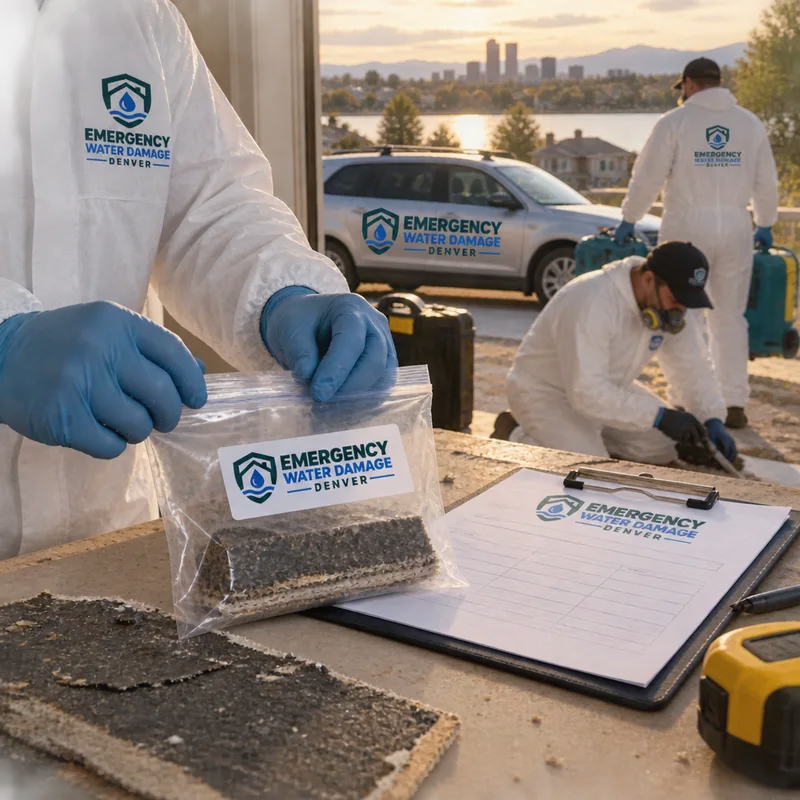
Work areas are isolated with critical barriers, controlled entry, and negative air filtration to keep fibers from migrating to adjacent rooms and HVAC pathways.
Materials are removed using wet techniques and controlled handling to reduce airborne fibers, with sealed bagging and staged decontamination.
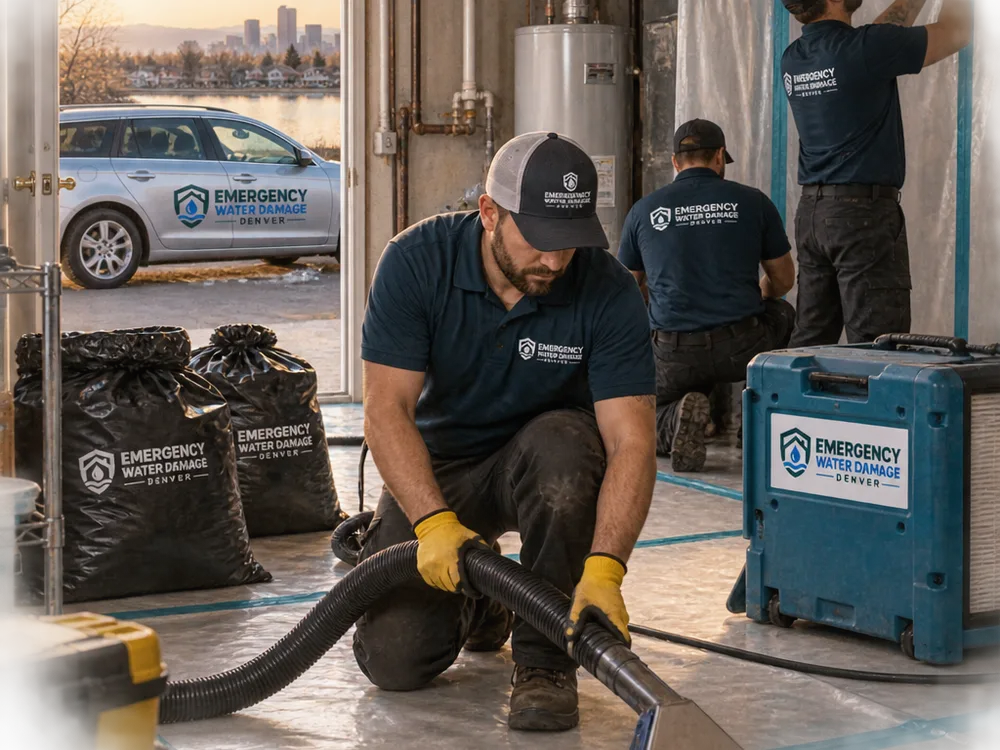
HEPA vacuuming and wet wiping are used on all relevant surfaces inside the containment until visible debris is removed and the area is ready for clearance steps.
Asbestos waste is packaged, labeled, and transported for disposal in accordance with applicable regulations, with documentation for your records when provided.
For occupied homes, rentals, and workplaces, we outline where barriers go, how long access is restricted, and what to expect day by day.
We review the suspect materials, access points, occupancy needs, and any planned construction activities that could disturb surfaces. If lab testing is needed, we coordinate sampling so the scope is based on real results rather than assumptions.
We isolate the work zone with poly sheeting and controlled entry, protect adjacent finishes as needed, and set negative air filtration when appropriate for the area and material type.
Materials are removed or encapsulated using controlled methods, then sealed for handling and disposal. We keep the work area organized to avoid cross-contamination, especially in tight basements and mechanical rooms.
After abatement, we perform HEPA vacuuming and wet cleaning inside containment. Final details matter, particularly around ledges, framing, and penetrations where dust can collect.
We remove containment carefully, confirm the space is left in a controlled condition, and provide the agreed documentation for your project file so you can move forward with repairs or renovation planning.
Asbestos abatement in Denver typically ranges from about $1,500 to $7,500+ for many residential projects, depending on the material, how much must be removed, and how complex containment is. A small, contained removal—for example, a limited area of flooring or a small run of pipe insulation—may land near the low end, while multi-room texture removal or extensive mechanical-room insulation removal can run higher.
Final cost changes with square footage or linear footage, friability, access such as tight crawlspaces and stair carries, height or ceiling work, number of containments, and disposal or handling requirements. The exact price is confirmed after an on-site inspection and written scope.
Call for Emergency Help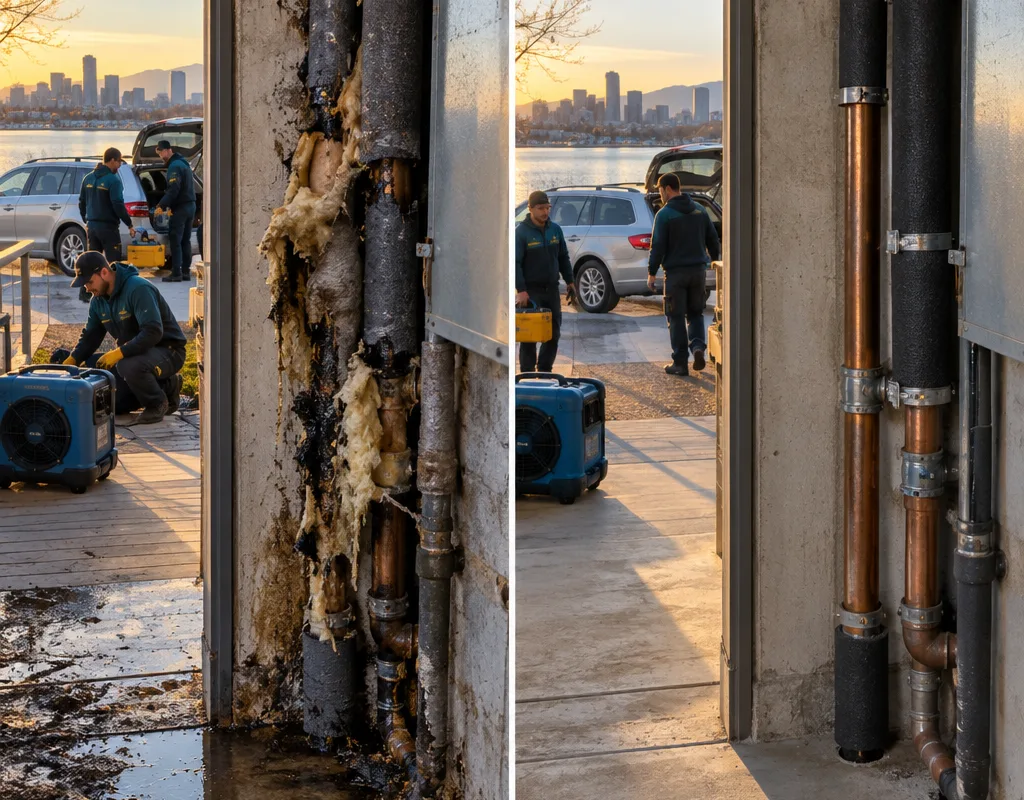

You typically need abatement when suspect material is damaged, friable, or will be disturbed by repair or remodeling work. If a material is intact and can be reliably left undisturbed, a manage-in-place approach may be an option, but that decision should be based on the material type, location, and how the space is used—for example, a quiet storage area versus an active mechanical room.
Sometimes, yes, if the work area can be fully isolated and there is a safe path for occupants to use unaffected parts of the home. In practice, many clients choose to be out of the house during active removal because containments can restrict access to kitchens, bathrooms, basements, or HVAC areas, and it simplifies day-to-day routines.
Many smaller residential abatements take 1 to 3 days once work begins, while larger texture or multi-area projects can take longer. Timeline depends on how many areas need separate containment, how difficult access is, and whether work has to be staged around occupancy or other trades.
Yes, when testing or project conditions indicate the texture requires controlled removal. Ceiling texture work often involves full-room containment, protection of walls and floors, wet removal methods, and detailed cleanup because fine residue can settle on ledges and in corners.
The biggest cost drivers are how much material must be addressed—square footage or linear footage—whether the material is friable, and how hard it is to build effective containment. Basements with tight mechanical rooms, attic access constraints, and ceiling work also tend to increase labor and setup time.
Stop work immediately, avoid sweeping or using a standard household vacuum, and limit traffic through the area. Close doors if possible and shut down forced-air HVAC if it could move dust through the home, then arrange a professional evaluation so the next steps are based on what was disturbed and how far dust could have spread.
Tell us what you found and what work you are trying to complete. We will schedule an on-site evaluation, explain the safest path forward, and provide a written scope you can use to plan the next step with confidence.
Call for Emergency Help